Street Food Explained How Local Flavors Shape Culture and Daily Life
Understanding the Meaning of Street Food
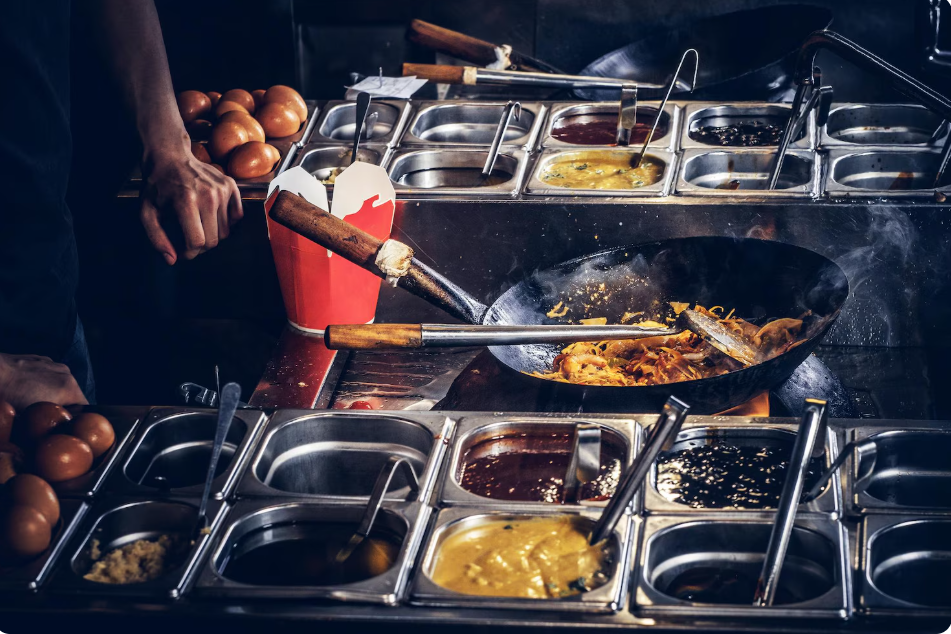
Street Food refers to ready to eat meals and snacks sold by vendors in public places such as markets, sidewalks, and food stalls. It is known for quick preparation, affordable prices, and bold flavors. These foods reflect local tastes and are deeply connected to everyday life in cities and towns around the world.
Historical Roots of Street Based Eating
Selling cooked food in public spaces is not a modern idea. Ancient civilizations offered simple meals to workers and travelers long before restaurants existed. Over time, vendors refined recipes based on local ingredients and demand. This history shows how public eating evolved as a practical solution for busy communities and growing urban populations.
Cultural Identity and Local Traditions
One of the strongest qualities of Street Food is its connection to culture. Each region offers unique dishes shaped by climate, history, and tradition. Local spices, cooking techniques, and serving styles create distinct identities. These foods often represent pride and heritage, making them symbols of community and tradition.
Daily Life and Accessibility
Public food stalls provide convenient meal options for people with busy schedules. Office workers, students, and travelers rely on quick service and easy access. This form of eating supports daily routines by offering nourishment without long waiting times or high costs. Accessibility makes it an essential part of urban living.
Variety of Flavors and Ingredients
The diversity found in Street Food is remarkable. Vendors use local produce, grains, meats, and spices to create rich flavors. Some dishes are savory and spicy, while others are sweet and refreshing. This variety allows people to explore different tastes without formal dining settings.
Economic Importance for Local Communities
Street Food plays a significant role in local economies. Small vendors rely on these businesses for income and independence. Low startup costs allow many individuals to participate in food trade. This supports employment and encourages entrepreneurship within communities, especially in urban areas.
Social Interaction and Community Bonding
Eating in public spaces encourages interaction. People gather around stalls, share meals, and exchange conversations. This social aspect creates a sense of belonging and community connection. Food becomes a shared experience rather than a solitary activity, strengthening social ties.
Affordability and Everyday Nutrition
Public food vendors often provide affordable meal options. This makes daily nourishment accessible to a wide range of people. Balanced meals with grains, vegetables, and proteins are commonly available. While choices vary, these foods often meet daily energy needs for many individuals.
Hygiene and Safety Awareness
Concerns about cleanliness have led to improved standards in many regions. Vendors are increasingly aware of hygiene practices and food safety. Governments and local organizations provide guidelines and training. Increased awareness helps build trust and ensures safer eating experiences.
Influence on Modern Cuisine
Many popular restaurant dishes began as Street Food. Chefs often draw inspiration from public vendors and traditional recipes. This influence bridges casual and formal dining. What starts on the street often finds its way into mainstream culinary culture.
Role in Tourism and Travel
Travelers often seek authentic local experiences through food. Public food stalls offer direct access to regional flavors. Tasting local dishes becomes a way to understand culture quickly. This experience adds value to travel and supports local vendors.
Adaptation to Modern Lifestyles
Street Food continues to adapt to changing lifestyles. Vendors now use digital payments and social media to reach customers. Some stalls focus on healthier options and sustainable practices. This flexibility helps public food culture remain relevant in modern cities.
Challenges Faced by Vendors
Despite its popularity, vendors face challenges such as regulation, competition, and rising costs. Weather conditions and location restrictions can also affect income. Supportive policies and community recognition help sustain this vital food sector.
Preservation of Culinary Heritage
Public food stalls preserve traditional recipes that might otherwise disappear. Many dishes are prepared using methods passed down through generations. This preservation maintains culinary diversity and protects cultural heritage for future generations.
Final Thoughts on Street Food
Street Food is more than quick meals sold in public places. It represents culture, history, and daily life. It supports local economies, encourages social interaction, and offers rich flavors at accessible prices. By valuing and supporting public food traditions, communities preserve identity and enjoy meaningful culinary experiences that continue to shape urban life around the world.