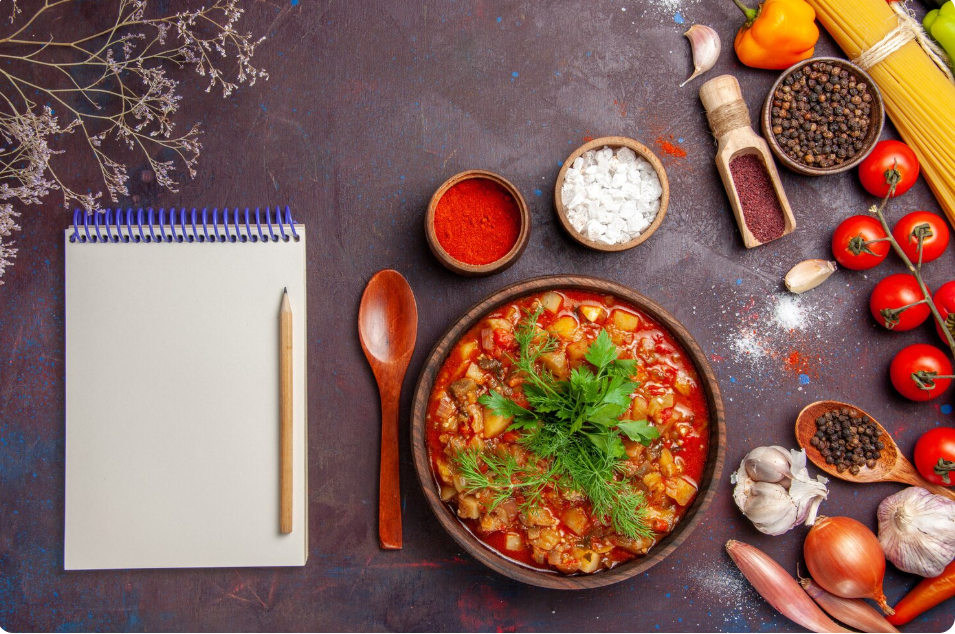
Recipes Importance, Types, and Their Role in Everyday Cooking
Understanding the Meaning of Recipes
Recipes are written or spoken instructions that explain how to prepare a dish. They guide people through ingredients, quantities, and cooking steps to achieve consistent results. These instructions make cooking accessible to beginners and reliable for experienced cooks. By following clear directions, anyone can recreate flavors and textures with confidence.
Why Recipes Matter in Daily Life
In everyday cooking, Recipes provide structure and clarity. They save time by offering tested methods and prevent mistakes during preparation. Home cooks rely on them to plan meals, manage portions, and balance flavors. Without guidance, cooking can become inconsistent and stressful. Clear instructions turn cooking into an organized and enjoyable activity.
Cultural Value of Traditional Cooking Instructions
Many traditional dishes are preserved through Recipes passed down through generations. These instructions carry cultural identity and history. Families often protect handwritten notes that reflect heritage and regional flavors. Through shared cooking practices, food traditions remain alive and meaningful, connecting people to their roots.
Types of Recipes Used in Home Cooking
There are many types of Recipes designed for different needs. Simple ones focus on quick meals with minimal steps. Detailed versions explain techniques and timing for complex dishes. Some are designed for baking where precision is essential, while others allow flexibility and creativity. This variety helps cooks choose what suits their skill level and schedule.
Role in Learning and Skill Development
Cooking skills improve through repeated use of Recipes. Beginners learn basic techniques like chopping, boiling, and seasoning. Over time, confidence grows and cooks begin to understand flavor balance and texture. Instructions act as teachers, helping people develop consistency and creativity in the kitchen.
Recipes and Healthy Eating Habits
Balanced meals often start with well planned Recipes. They help control portion sizes and ingredient quality. Home prepared dishes allow better management of sugar, salt, and fat intake. Following structured instructions encourages mindful eating and supports long term health goals through informed food choices.
Planning Meals and Managing Time
Meal planning becomes easier with organized cooking instructions. People can plan weekly menus, prepare shopping lists, and reduce food waste. Having reliable guidance reduces daily decision making stress. This approach supports efficient use of time and resources, especially for busy households.
Creativity and Personal Expression in Cooking
While Recipes offer guidance, they also inspire creativity. Many cooks adapt instructions by adjusting spices or ingredients. This flexibility allows personal taste and innovation. Cooking becomes an expressive activity where individuals add their own identity to traditional or modern dishes.
Role in Professional and Home Kitchens
In professional kitchens, consistency is essential. Standardized Recipes ensure that dishes taste the same every time. In home kitchens, they provide reliability and comfort. Both environments depend on clear instructions to maintain quality and satisfaction for those who eat the food.
Influence of Technology on Cooking Instructions
Technology has changed how people access Recipes. Online platforms, videos, and mobile applications offer step by step guidance. Visual demonstrations make learning easier. Digital access allows people to explore global cuisines and try new dishes from different cultures.
Recipes and Family Bonding
Cooking together strengthens family connections. Shared instructions encourage participation and teamwork. Children learn skills and traditions while helping in the kitchen. These shared moments build memories and create emotional connections around food preparation.
Economic Benefits of Home Cooking
Preparing meals at home using clear instructions can reduce food expenses. It allows better control over ingredients and portions. Home cooking supports budget management while still offering variety and quality. Reliable guidance helps avoid costly mistakes and wasted ingredients.
Adapting Recipes to Lifestyle Needs
Modern lifestyles require flexibility. Instructions can be adapted for dietary preferences, allergies, or cultural practices. Adjustments make cooking inclusive and accessible. This adaptability ensures that meals meet individual needs while maintaining flavor and satisfaction.
Preserving Knowledge for Future Generations
Written and shared cooking instructions preserve culinary knowledge. They allow future generations to learn traditional and modern dishes. Passing them along maintains continuity and respect for food culture. Preservation supports identity and appreciation for culinary heritage.
Final Thoughts on Recipes
Recipes play a vital role in everyday cooking by providing guidance, consistency, and inspiration. They support healthy habits, cultural preservation, and personal creativity. From simple meals to complex dishes, clear instructions empower people to cook with confidence. By using and sharing them, individuals strengthen their connection to food, family, and tradition while making daily cooking more enjoyable and meaningful.