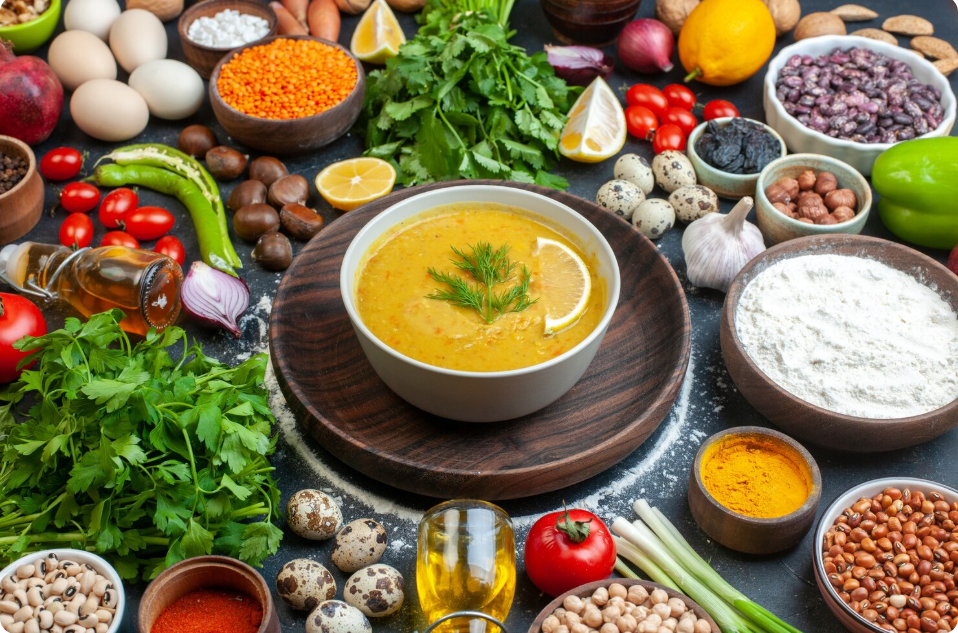
Food Explained How It Shapes Health, Culture, and Daily Life
Understanding the Meaning of Food
Food is any substance consumed to provide energy, support growth, and maintain bodily functions. It is essential for survival and plays a central role in human life. Beyond physical nourishment, food carries emotional, cultural, and social significance. Every society has developed eating habits and traditions shaped by geography, history, and available resources.
Role of Food in Human Health
The body depends on proper nourishment to function efficiently. Nutrients obtained from daily meals support muscles, organs, and the immune system. Balanced intake helps maintain energy levels, supports mental clarity, and strengthens overall wellbeing. Poor dietary habits can affect physical performance and long term health, highlighting the importance of mindful eating choices.
Nutrients and Their Importance
Different nutrients serve different purposes. Carbohydrates provide energy for daily activities. Proteins help build and repair tissues. Fats support cell structure and nutrient absorption. Vitamins and minerals regulate body processes and protect against deficiencies. Water is equally important for digestion, circulation, and temperature regulation. A varied diet ensures the body receives these essential elements.
Cultural Significance of Food
Every culture expresses its identity through traditional dishes and cooking methods. Recipes are often passed down through generations, preserving heritage and family values. Festivals, celebrations, and rituals frequently involve special meals. Sharing food strengthens social bonds and creates a sense of belonging within communities.
Food and Daily Lifestyle
Eating habits are closely connected to lifestyle. Busy schedules influence meal timing and choices. Home cooked meals often reflect comfort and routine, while dining out offers convenience and variety. Modern lifestyles have increased reliance on packaged and ready to eat options. Awareness and balance help maintain healthy routines despite time constraints.
Economic Impact of Food Systems
The global food industry supports farmers, workers, transport systems, and businesses. Agriculture, processing, and retail create employment and drive economic growth. Local markets and street vendors contribute to community economies. Sustainable practices help protect resources while supporting long term economic stability.
Emotional Connection With Eating
Meals often carry emotional meaning. Comfort dishes can evoke memories and feelings of security. Family meals encourage communication and connection. Cooking for others is an expression of care and hospitality. Emotional relationships with food influence preferences and habits throughout life.
Food and Social Interaction
Gathering around meals encourages conversation and unity. Shared dining experiences strengthen relationships among family members, friends, and colleagues. Many social events are centered around eating together. This social aspect highlights how nourishment goes beyond physical needs and supports emotional wellbeing.
Health Awareness and Changing Preferences
Growing awareness about health has influenced eating patterns. Many people now seek fresh ingredients and balanced meals. Interest in plant based options, reduced sugar intake, and portion control has increased. These changes reflect a desire to align eating habits with long term health goals.
Challenges in Modern Eating Habits
Modern environments present challenges such as easy access to processed products and irregular eating schedules. Marketing and convenience can influence choices. Lack of nutritional knowledge may lead to imbalanced diets. Overcoming these challenges requires education, planning, and conscious decision making.
Sustainability and Responsible Choices
Sustainable eating focuses on reducing waste and supporting ethical practices. Choosing seasonal produce and minimizing excess consumption helps protect the environment. Responsible choices benefit both personal health and the planet. Awareness of sourcing and production methods is becoming increasingly important.
Food Across Different Life Stages
Nutritional needs change over time. Children require nutrients for growth and development. Adults need balanced intake to maintain energy and productivity. Older individuals benefit from foods that support bone strength and digestion. Adapting eating habits to life stages supports overall health.
Influence of Technology on Food Consumption
Technology has changed how people access and prepare meals. Online delivery services, digital recipes, and kitchen appliances offer convenience. While technology saves time, mindful choices remain essential. Balancing convenience with quality supports healthier eating habits.
Education and Awareness
Learning about nutrition empowers individuals to make informed choices. Understanding ingredients and preparation methods improves confidence in the kitchen. Education helps people recognize the impact of their eating habits on health and wellbeing. Knowledge supports long term positive behavior.
Future Trends in Food Consumption
Future trends point toward innovation and personalization. Functional ingredients, sustainable practices, and global flavors are gaining attention. As awareness grows, people seek options that combine taste, health, and responsibility. These trends will continue shaping eating habits worldwide.
Final Thoughts on Food
Food influences health, culture, emotions, and daily routines. It nourishes the body while connecting people and preserving traditions. Thoughtful choices support physical wellbeing and social harmony. By valuing quality, balance, and awareness, individuals can build a healthier and more meaningful relationship with what they eat.